# Shocking SEO Blueprint Revealed: How Marketers Quietly Scale Rankings Using web 2.0 backlinks
In the chaotic arena of search visibility, where algorithms recalibrate like shifting tides, certain link-building methods still cling to relevance when handled with finesse. One of the most discussed tactics in this space is web 2.0 backlinks, a strategy built around publishing controlled content on third-party platforms that allow embedded outbound links.
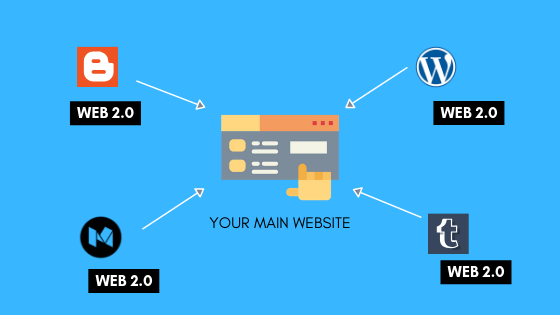
The modern version of this approach is no longer about flooding the internet with thin pages. Instead, it revolves around crafting compact, meaningful content assets that feel editorial, informative, and contextually grounded. Each published piece becomes a supporting signal rather than a standalone ranking weapon.
Search engines today evaluate intent, coherence, and authority alignment far more deeply than in earlier years. That means sloppy execution gets ignored or discounted, while carefully structured content ecosystems can still contribute value in a broader SEO strategy.
# Building Safe Link Assets Without Leaving Digital Footprints
The safest method begins with restraint. Instead of launching dozens of pages in rapid succession, it is more effective to space content out and diversify tone, structure, and topic framing.
Each post should resemble a genuine article written for readers rather than a mechanism designed purely for ranking manipulation. This means avoiding repetitive phrasing, unnatural keyword stuffing, or predictable link placement patterns.
A strong technique is narrative embedding—where links appear as part of explanations, references, or extended reading suggestions rather than isolated promotional inserts. This creates a smoother semantic flow that search engines interpret as organic.
# Platforms That Still Carry Authority Weight
Different publishing ecosystems offer varying levels of trust, indexing speed, and flexibility. The most commonly used include:
* WordPress – Highly flexible, ideal for building structured mini-blogs and topical clusters
* Medium – Strong editorial perception with built-in audience distribution
* Blogger – Fast indexing and minimal setup friction, useful for quick publishing cycles
* Tumblr – Effective for short-form content mixed with media elements and niche engagement
* Wix – Allows microsite creation with visual customization for supporting content hubs
Each platform behaves differently in terms of crawl frequency, trust signals, and content longevity. Mixing them helps avoid predictable patterns that could weaken link effectiveness.
# A Realistic Example of How It Looks in Practice
Imagine publishing a long-form guide on WordPress about improving local search performance for small businesses. Within the article, you naturally reference a deeper resource hosted on your primary domain, placed inside a sentence discussing additional learning materials. To view a live case study on **web 2.0 backlinks** go to https://rankersparadise.com/how-to-use-web-2-0-sites-for-backlinks/
That single contextual link becomes part of a broader ecosystem of supporting content rather than an isolated SEO trigger. Later, a condensed version of the same topic is rewritten for Medium, but framed as a reflective breakdown of common optimization mistakes. The link appears again, but within a different narrative structure and tone.
This variation is what keeps the strategy from appearing mechanical.
# Are These Links Still Worth Using Today?
The answer is nuanced. They are no longer dominant ranking drivers and will not outperform high-quality editorial backlinks from authoritative publications. However, they still provide auxiliary benefits when used correctly.
**Their strongest contributions include:**
* Helping new pages get discovered and indexed faster
* Adding diversity to backlink profiles
* Reinforcing topical relevance across multiple properties
* Supporting brand visibility in niche ecosystems
They fail when treated as shortcuts. They succeed when integrated into a broader content strategy that prioritizes quality, consistency, and contextual relevance.
# Final Perspective
Modern SEO rewards patience over volume and coherence over manipulation. This tactic still has utility, but only as a supporting layer within a larger authority-building system. Think of it as constructing small reflective surfaces across the web that subtly point back to your core content hub—useful, but never sufficient on its own.